
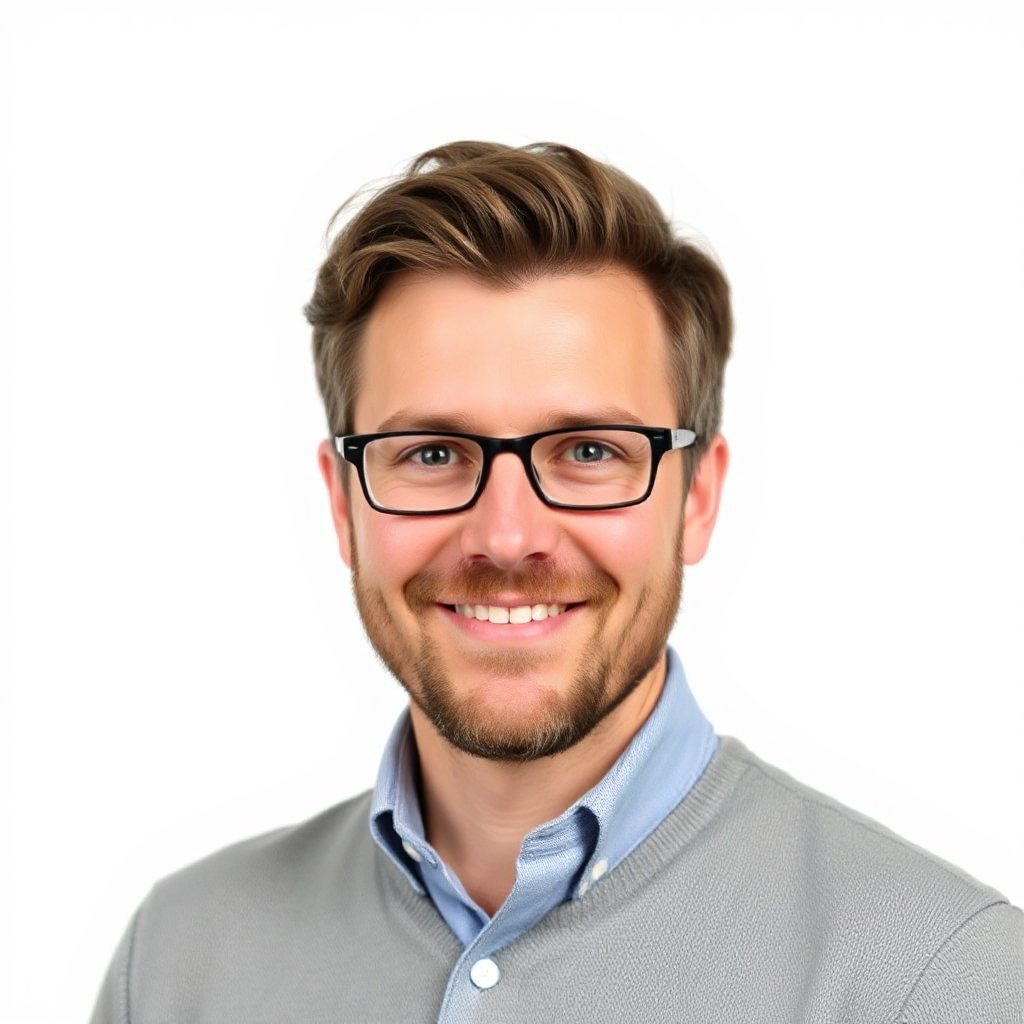

In the span of ten years, the counselor Zhang Xuefeng became one of the most recognisable names with young people across China.
Boasting over 26 million fans on Douyin, the 41-year-old was a leading figure in the influencer sphere - while simultaneously forging his reputation in a specialized area. By providing guidance to students and families on college admissions and major selection, he aimed to assist them achieve what many view as an critical goal: stronger career futures.
Matters concerning employment are intricate within China, and Zhang was known for his highly practical approach. It also made him a highly controversial figure. Zhang once declared that "every other discipline surpasses journalism" and described liberal arts majors as a "servile sector that pleases others".
Commentators have routinely tied his rise to a pervasive anxiety in Chinese society, driven by a cooling economic engine and a stagnant job market for young people. Yet Zhang was a figure of contention.
Advocates claim he changed the course of their lives by offering insights that ordinary families without resources would otherwise struggle to access. Opponents, on the other hand, state his advice was excessively practical and in the end detrimental to society.
But these discussions were suddenly silenced on that Tuesday. Zhang's name surged in popularity in the afternoon circulating reports that he had suffered a collapse during a workout. A few hours later, a announcement was posted on his social media accounts declaring that he had passed away due to heart failure.
Messages of grief streamed in almost immediately. Zhang's death was covered by prominent government-run news organizations, and on social media the hashtag "Death of Zhang Xuefeng" amassed in excess of 600 million views in under a day.
"What a tremendous loss - he really changed many families without guidance who had no background," stated a typical post on social media.
The Story Behind Zhang Xuefeng
Zhang's rise epitomized what millions of his followers strive for: someone from a provincial city who rises through the ranks by forging their own path.
Zhang, whose original name was Zhang Zibiao, was born in May 1984 in a rural county in the city of Qiqihar, a city in the northeastern province of Heilongjiang.
He studied water engineering and drainage systems at the university in Zhengzhou. After completing his studies in 2007, he started at an exam preparation company in Beijing that assists university students get ready for the national graduate entrance exam.

In a country where education has long been regarded as a key to success, many Chinese people believe some of life's most pivotal moments could depend on a handful of crucial examinations: the university entrance exam, or gaokao; the graduate entrance exam, or kaoyan; and the civil service exam, or kaogong.
Zhang entered the tutoring industry at a time of swift development. China's economy was on the rise and university admissions were also surging. In 1998, there were only 1 million first-year undergraduates in China; by 2008, that number had risen to 5.99 million.
The expansion of college enrolment gave many low-income and rural families an chance to send their children to college for the first time. But experts have indicated that such fast expansion also led to declining educational standards and an oversupply of graduates in the job market.
"The days when a college degree guaranteed a good job are gone, and graduates now face immense employment pressure," says an expert on China's academic system.
This, along with increasing disparity in Chinese society, places a heavy burden on low-income families, which has made people "progressively see education as the last channel for families and individuals to achieve social mobility".
As university enrolment expanded, entry mechanisms also grew more intricate. Rules for university admissions can differ across regions. Meanwhile, for graduate school, applicants must pick one particular field at a single university from nearly 1,000 institutions.

For students and parents overwhelmed by these complex processes, Zhang provided understanding. In 2016, he went viral after giving a talk in which he summarised the 34 elite universities that set their own admission standards.
Zhang had a engaging and witty manner that made such intricate data easy to digest - and his career took off from there.
A Controversial Character
Following that success, Zhang appeared on a range of TV programmes and entertainment shows, and eventually started his own company, creating a dominant digital footprint and offering advisory services for students and parents prepared to invest financially.
His most visible stage became social media. On platforms like Douyin, Zhang would livestream for hours and upload short segments aimed at concerned parents seeking help to pick an academic discipline - as well as, ultimately, a professional trajectory that would lead to a stable future for their children.
He answered queries such as "Should a girl major in electrical engineering?" and "What are the employment prospects for law majors?" and answered with his signature frankness.
Zhang knew every major, university, and career path so completely that he communicated with complete assurance. In one livestream, when asked about the finance major, he practically exclaimed: "Your academic performance does not determine your career quality… It all boils down to whether you have the proper connections."
To his followers, he offered a straightforward blueprint for life planning that universities failed to deliver. He would say things like: "Graduates from non-elite schools working outside their study region face poor prospects."
He counseled humanities students to major in law, accounting, or Chinese literature, reasoning that these fields most commonly led to recruitment after civil service exams. For biological studies, chemical engineering, or environmental studies, he warned that finding a good position often required studying all the way to a doctorate.

Zhang's advice, however, was not widely embraced.
"One cannot advise a discipline purely on its reputation." says an academic analyst. "He entirely disregarded students' scholastic aptitude and comprehensive formation."
But Zhang and his followers countered that ordinary families cannot afford to focus on individual traits or personal likes. "All I do is to save children from ordinary families|My mission


